
Bird Control Systems
Bird control systems are designed to manage and mitigate issues related to birds, particularly in urban or industrial settings where their presence can lead to various problems. Birds can cause damage to property, create health hazards, and pose safety risks.
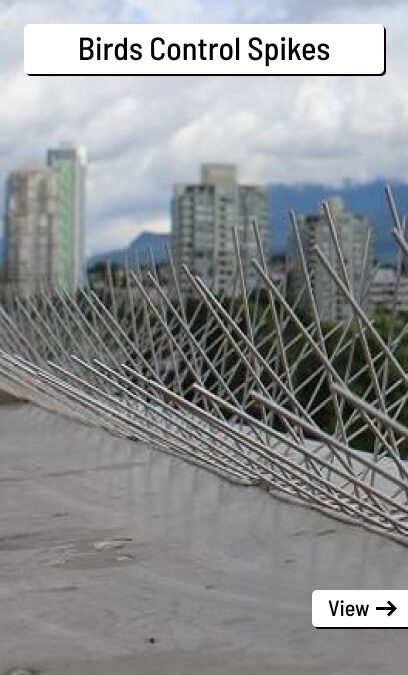
Birds Control Spikes
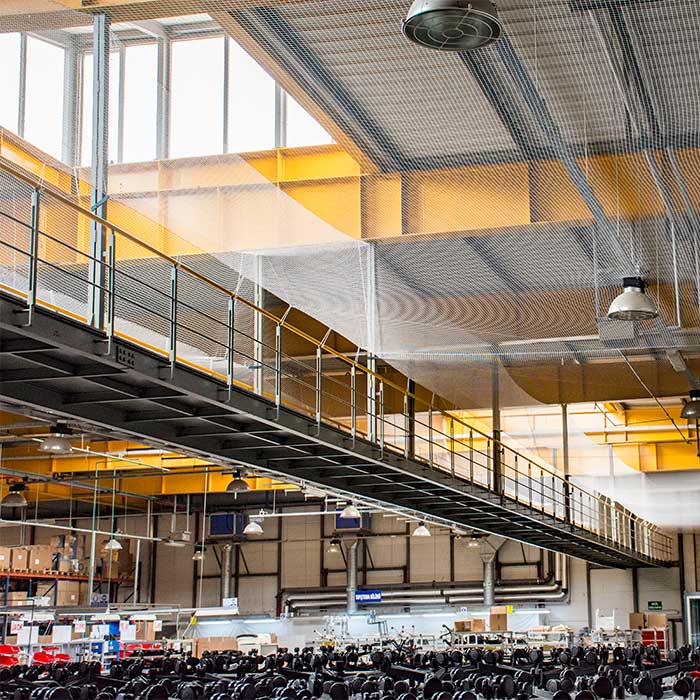
Bird Control Netting
Get expert support now!
Get in touch today and receive a comprehensive consultation from our technical and sales team.
Bird deterrent systems
Deterrent systems are designed to discourage birds from landing, roosting or nesting on structures. They include physical, auditory, and visual solutions.
Typical deterrents include:
- Bird spikes or wire strips on ledges and parapets
- Ultrasonic/sonic devices that emit distress or predator calls
- Reflective surfaces or laser systems that disturb bird behaviour
Pigeons problem solution
Pigeons are among the most persistent nuisance birds in urban and industrial environments. Droppings, nesting materials and blocked drains create hazards. Effective solutions target access points, nesting zones and deterrence.
Problem areas to address:
- Roof overhangs, fans and ducts
- Loading bays, open structures
- Ledges and window sills
What Are Bird Control Systems and How Do They Work?
Bird control systems combine exclusion (netting, spikes, wires) and deterrence (sound, vibrations, lasers) to create an environment where birds find it difficult or undesirable to roost or nest. These systems reduce damage, maintain hygiene and protect assets.
Types of Bird Control Systems for Buildings and Industrial Sites
- Netting/exclusion mesh: Physical barrier preventing access to voids or structures.
- Spike/wire systems: Unstable surfaces to deter landing.
- Acoustic/ultrasonic deterrents: Devices that emit bird-disturbing signals.
- Visual deterrents & lasers: Disturbance of bird behaviour via light patterns or predator simulation.
Installation and Maintenance Guidelines for Bird Control Systems
Installation steps:
- Site survey to identify bird paths, roosting/nesting zones
- Select system type based on structure, bird species, exposure
- Install by certified technicians ensuring durability and effectiveness
- Commissioning and performance check
Maintenance tips:
- Monthly visual checks for damage, sagging nets, loose hardware
- Clean droppings and nests regularly to maintain effectiveness
- Replace worn components or update systems every few years
Applications of Bird Control Systems in Construction and Urban Areas
Bird control is essential not just for industrial sites but also for construction zones and urban installations:
- Façade & roof of high-rise buildings
- Open parking structures, bus terminals
- Construction scaffolding, cranes and temporary structures
These systems help maintain hygiene, safety and aesthetics in urban environments.
Why Choose TSS Bird Control Solutions in the Middle East
- Experience with harsh Middle East conditions: heat, sand, wind
- Customised solutions for buildings and industrial sites
- Local support, installation teams and maintenance services
- Compliance with international bird control best practices and local regulations
Comparison Table: Bird Control Systems
| System Type | Best For | Key Features | Maintenance Cycle |
| Netting / Mesh | Roof voids, high-roost zones | Durable polymer or steel mesh, invisible from ground | 3-5 years |
| Spike / Wire Systems | Ledges, window sills, corridors | Stainless steel, minimal visual impact | 1-3 years |
| Acoustic Deterrents | Open industrial bays, warehouses | Species-specific sound signals | 2-4 years |
| Laser/Visual Systems | Facades, glass canopies | Light patterns, low maintenance | 3-5 years |
Need a hand? Our team’s ready to help you with everything.
FAQ
What are bird control systems and how do they work?
What types of bird control systems are used for buildings and industrial sites?
What are the installation and maintenance guidelines for bird control systems?
In which applications are bird control systems used in construction and urban areas?
Why choose TSS bird control solutions in the Middle East?
Because TSS offers region-specific systems designed for local climates, with installation, maintenance and support services tailored to Middle East building and industrial environments.