
Bird Control Netting
Bird control netting/Bird Stop Net is a physical barrier used to prevent birds from accessing certain areas. It is an effective and humane method to deter birds from roosting, nesting, or entering spaces where their presence may be unwanted. Bird netting is commonly used in various settings, including agriculture, commercial buildings, warehouses, airports, and other urban environments. Below you can find some key features and considerations related to bird control netting.

What Is Bird Control Netting and How It Works
Bird Control Netting (also known as Bird Stop Net or bird netting) is a physical and highly effective barrier designed to prevent birds from accessing restricted or sensitive areas. This humane solution stops birds from roosting, nesting, or entering unwanted spaces without causing them harm.
Bird control netting works by creating a durable exclusion system that blocks entry points while remaining discreet and environmentally friendly. It is widely used in commercial buildings, warehouses, agricultural facilities, airports, balconies, and urban infrastructures where pigeon bird netting or pigeon netting is required.
Material Types & Technical Specifications (Mesh Size, UV Stability, HDPE vs Nylon)
Bird control netting is typically manufactured using high-quality polymers to ensure durability and long-term performance:
- Polyethylene (PE) & Polypropylene (PP) Netting:
Commonly used due to their excellent weather resistance, flexibility, and strength. - HDPE vs Nylon:
HDPE bird netting is preferred for outdoor applications due to superior UV stability, while nylon netting offers higher tensile strength for specific industrial uses. - UV Resistance:
UV-stabilized bird netting is essential for outdoor environments, especially in high-sun regions, ensuring long service life without degradation.
Choosing the Right Netting for Pigeons vs Small Birds
Selecting the correct mesh size is critical for effective bird control:
- Pigeon Netting / Pigeon Bird Netting:
Larger mesh sizes designed specifically to prevent pigeons from entering while avoiding entanglement. - Bird Netting for Small Birds:
Smaller mesh sizes provide protection against sparrows and other small bird species.
Proper mesh selection ensures humane control while maximizing efficiency and safety.
Applications: Roofs, Balconies, Industrial Facades, Warehouses
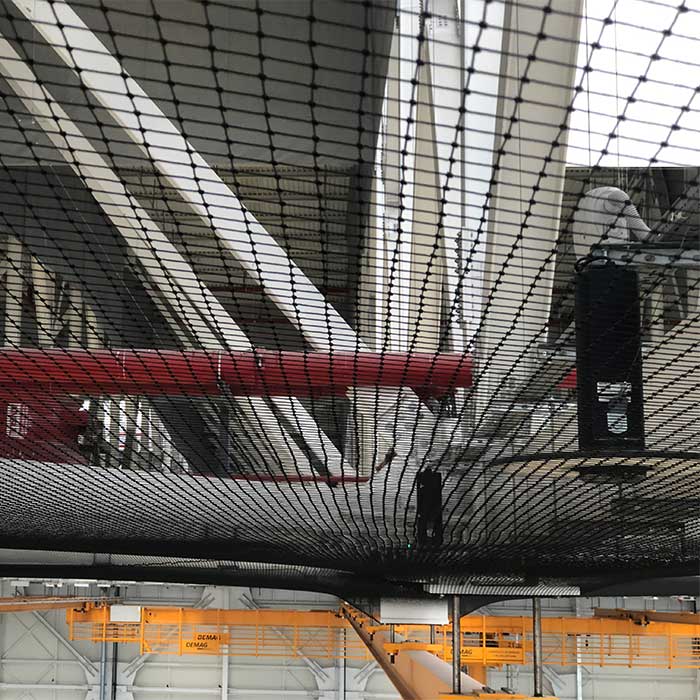
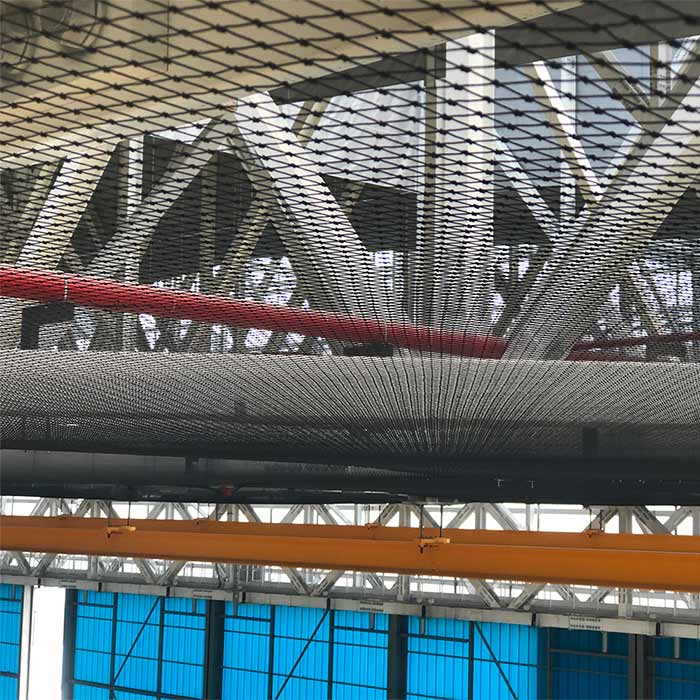
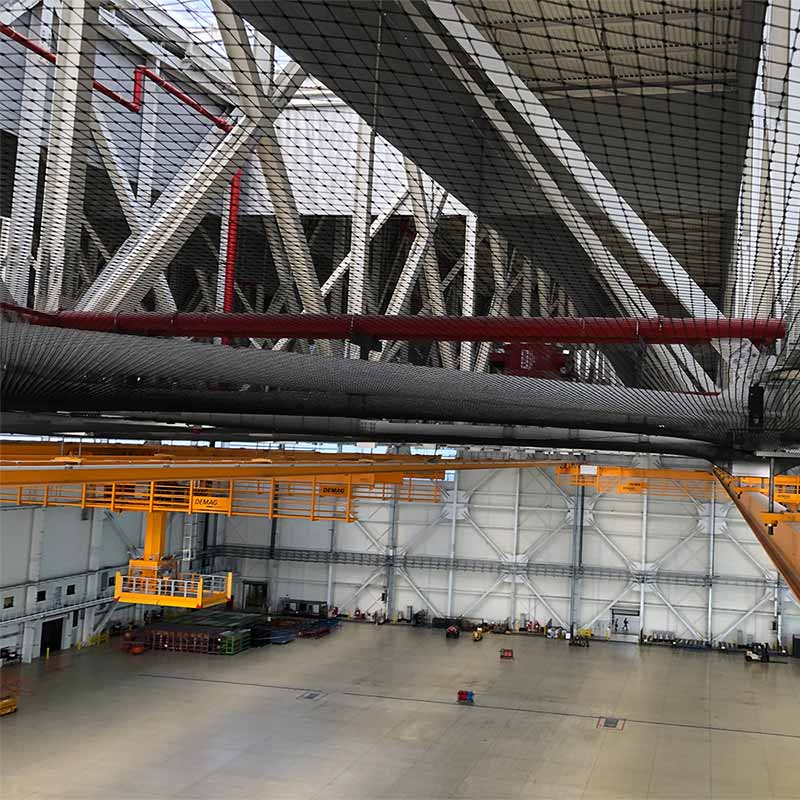
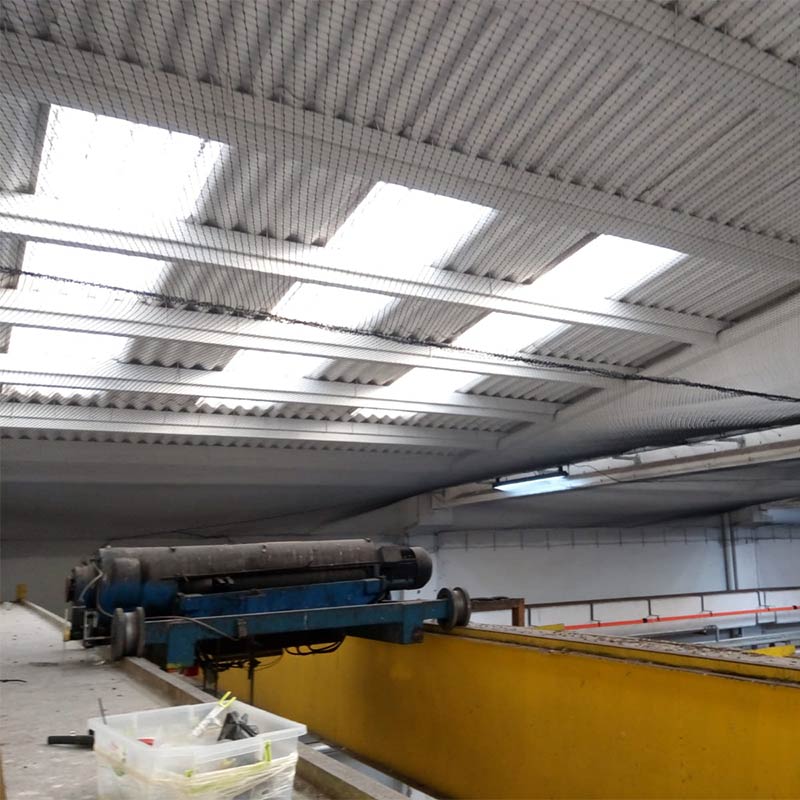
Bird control netting is a highly versatile solution suitable for a wide range of applications, including:
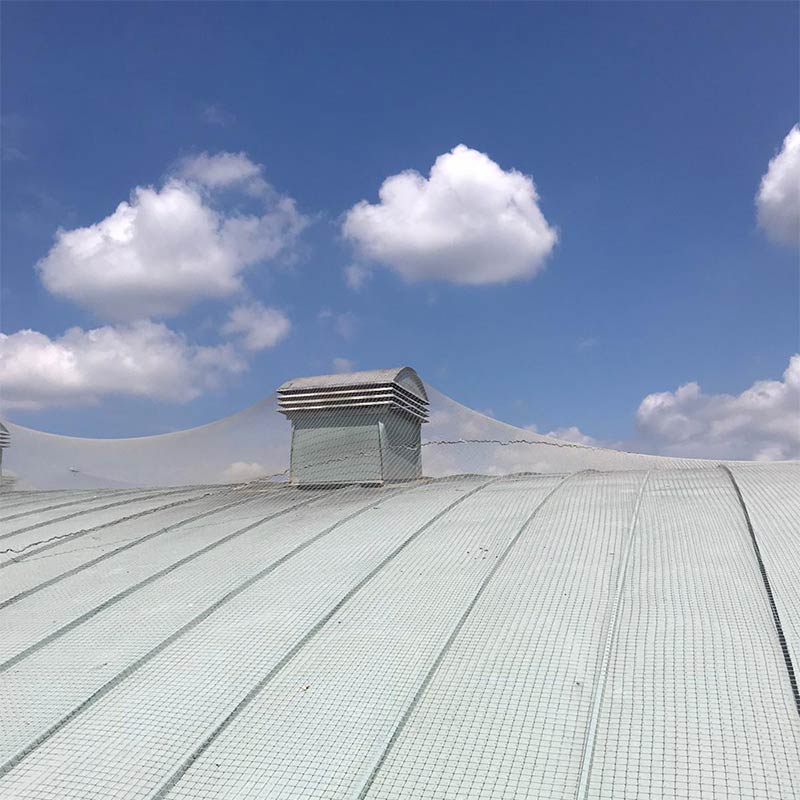
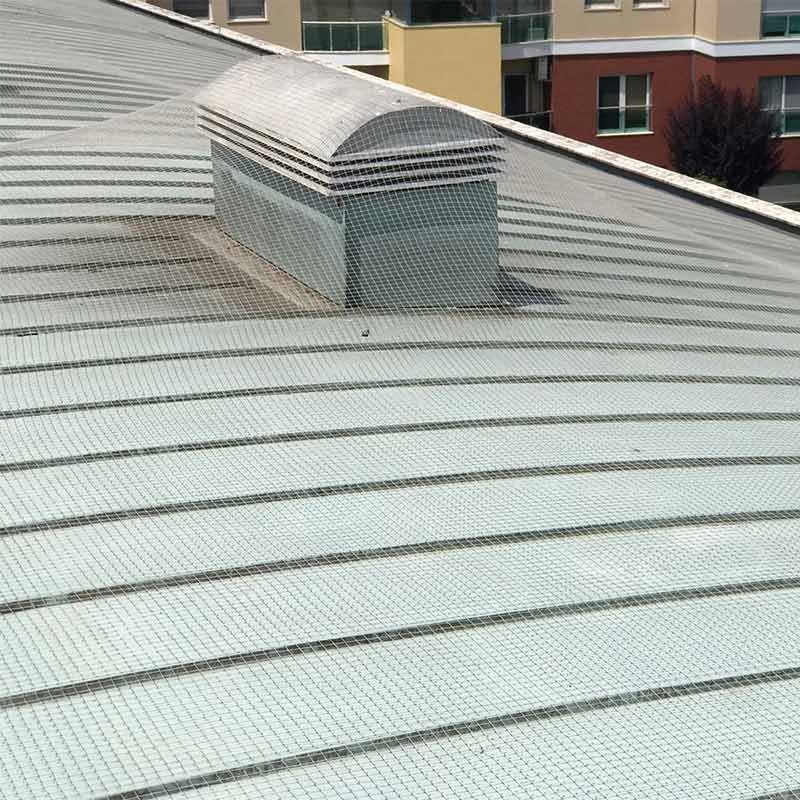
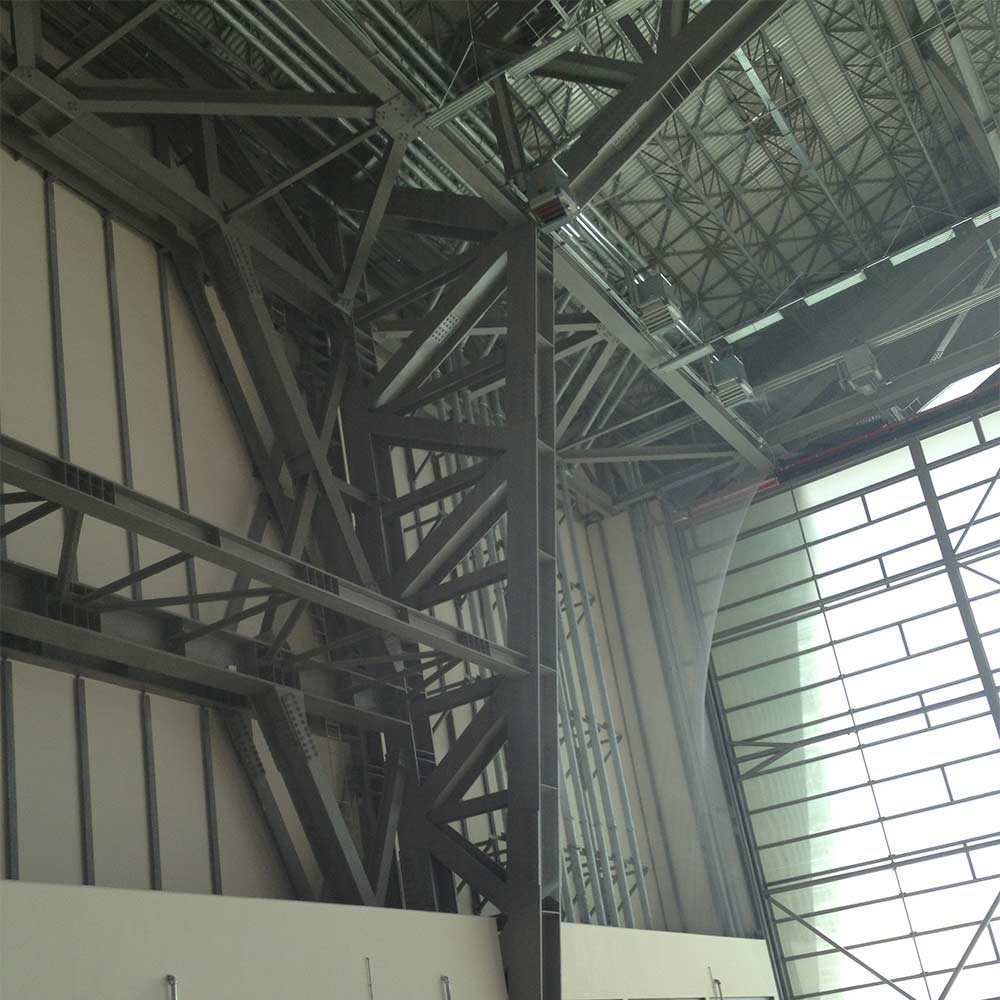
- Roofs and building ledges
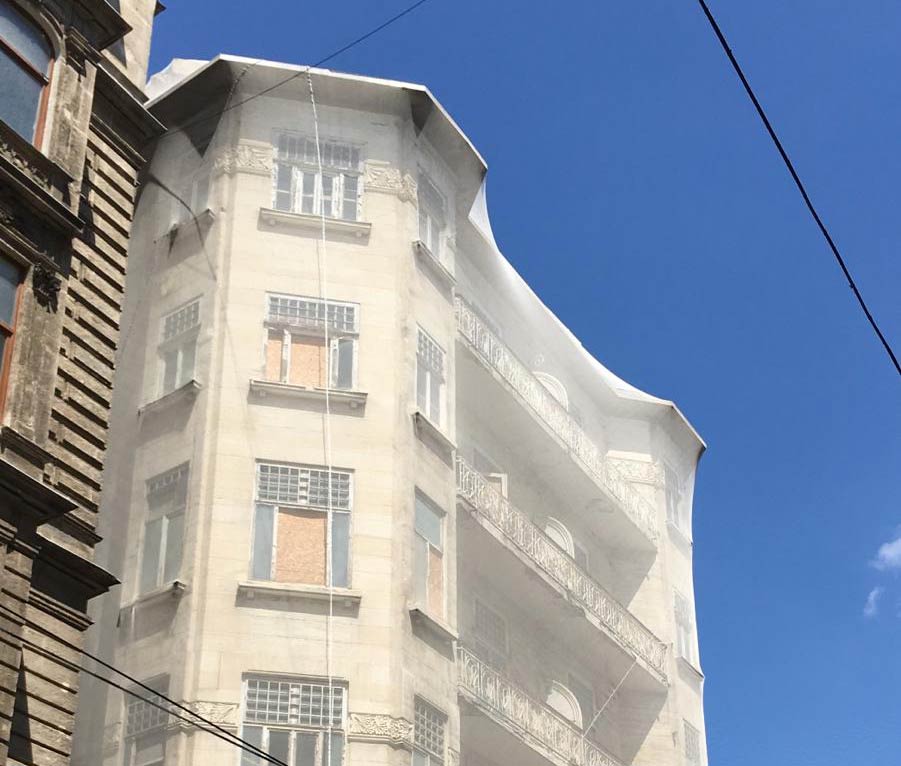
- Residential balconies and terraces
- Industrial facades and commercial structures
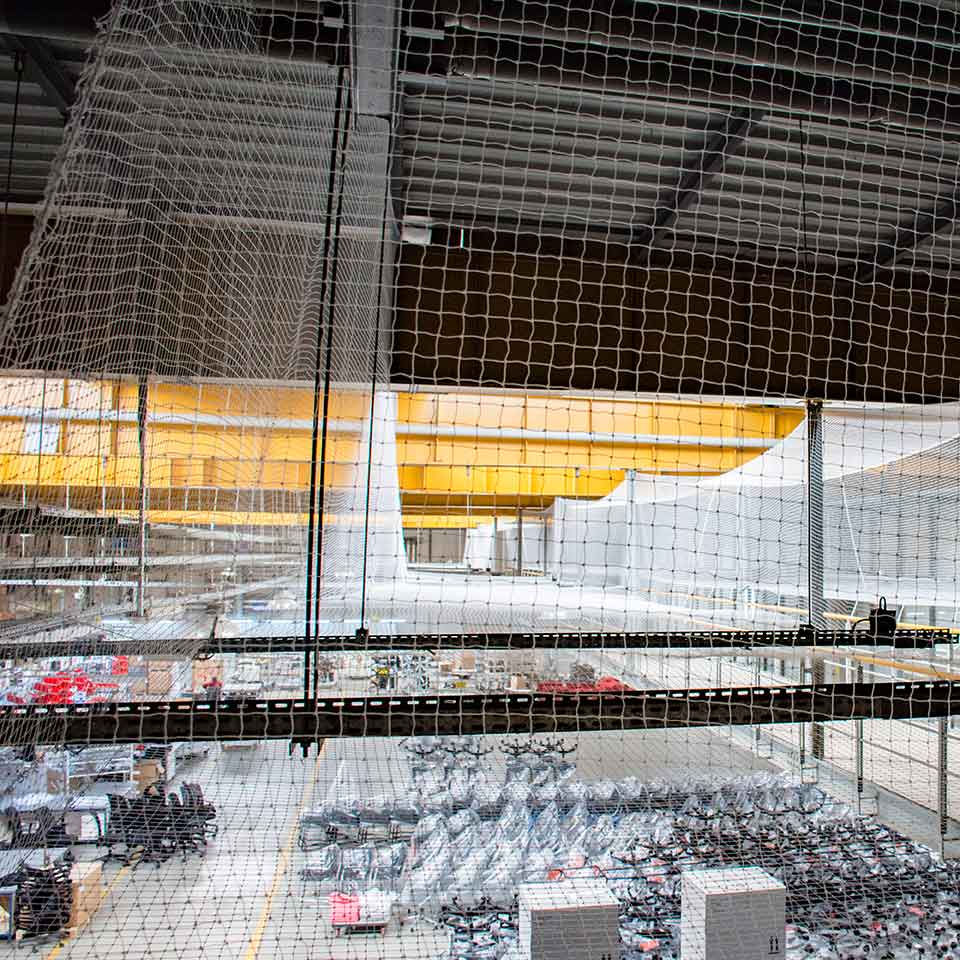
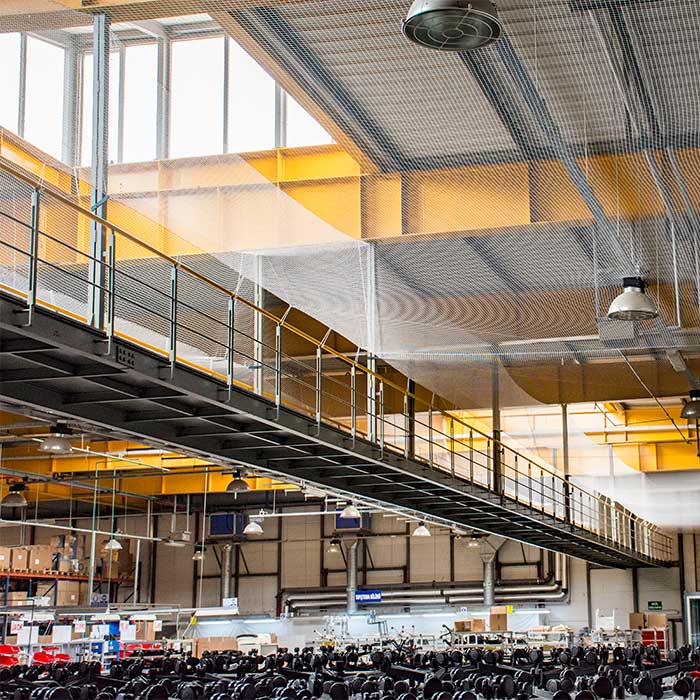
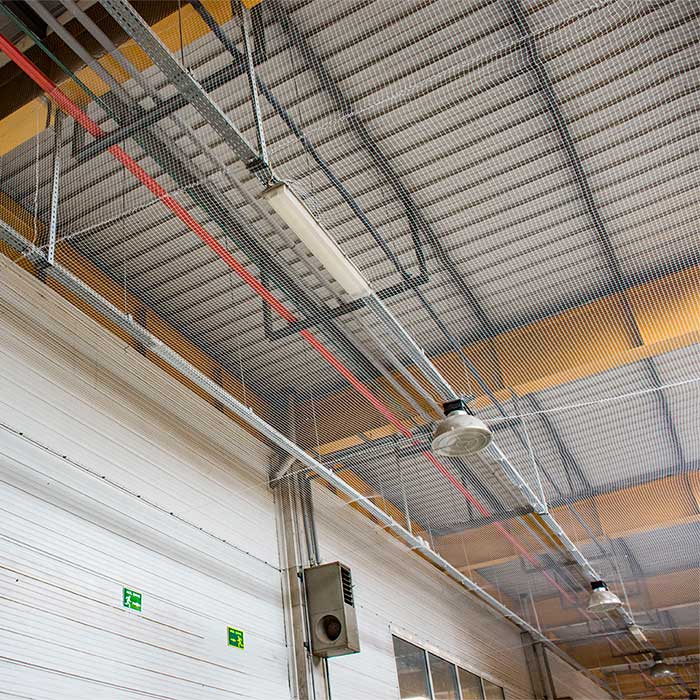
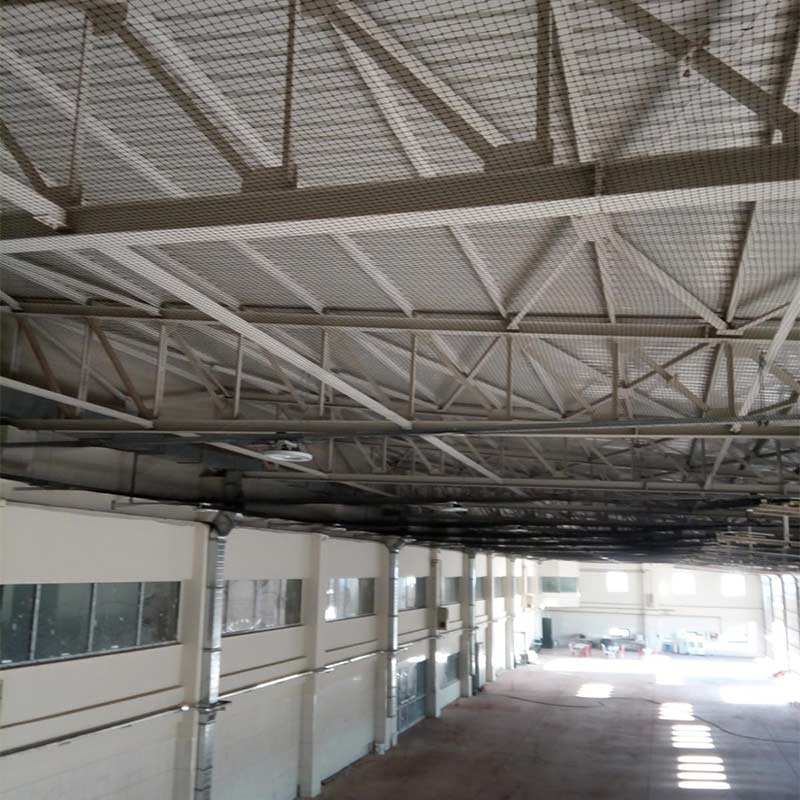
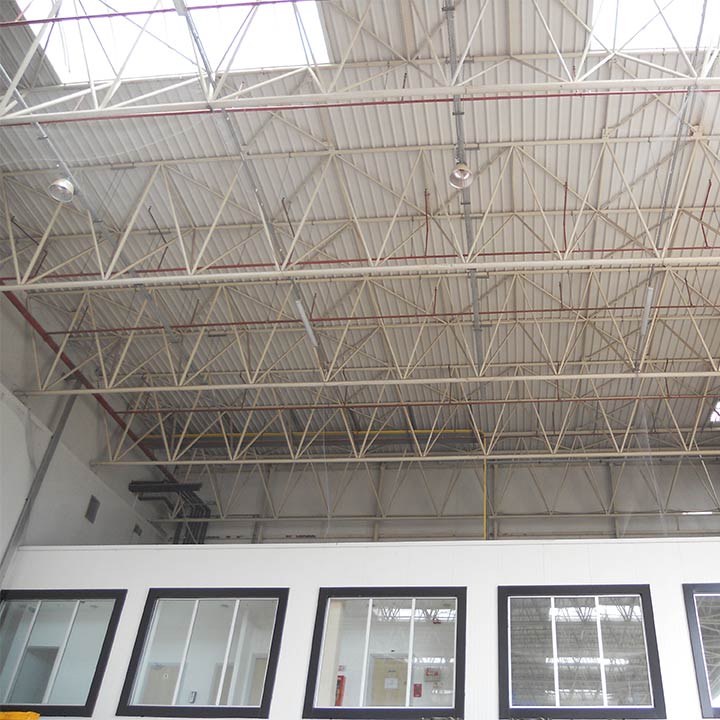
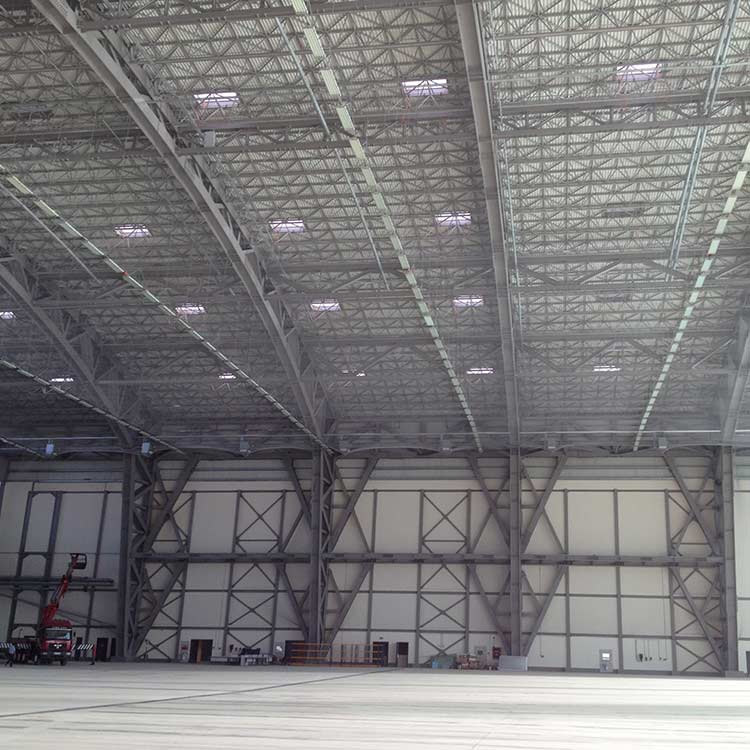
- Warehouses, logistics centers, and factories
- Agricultural fields, gardens, and orchards
Its adaptability makes bird netting an ideal choice for protecting both structures and assets from bird-related damage.
Installation Guidelines and Common Fixing Methods
Correct installation is essential for optimal performance:
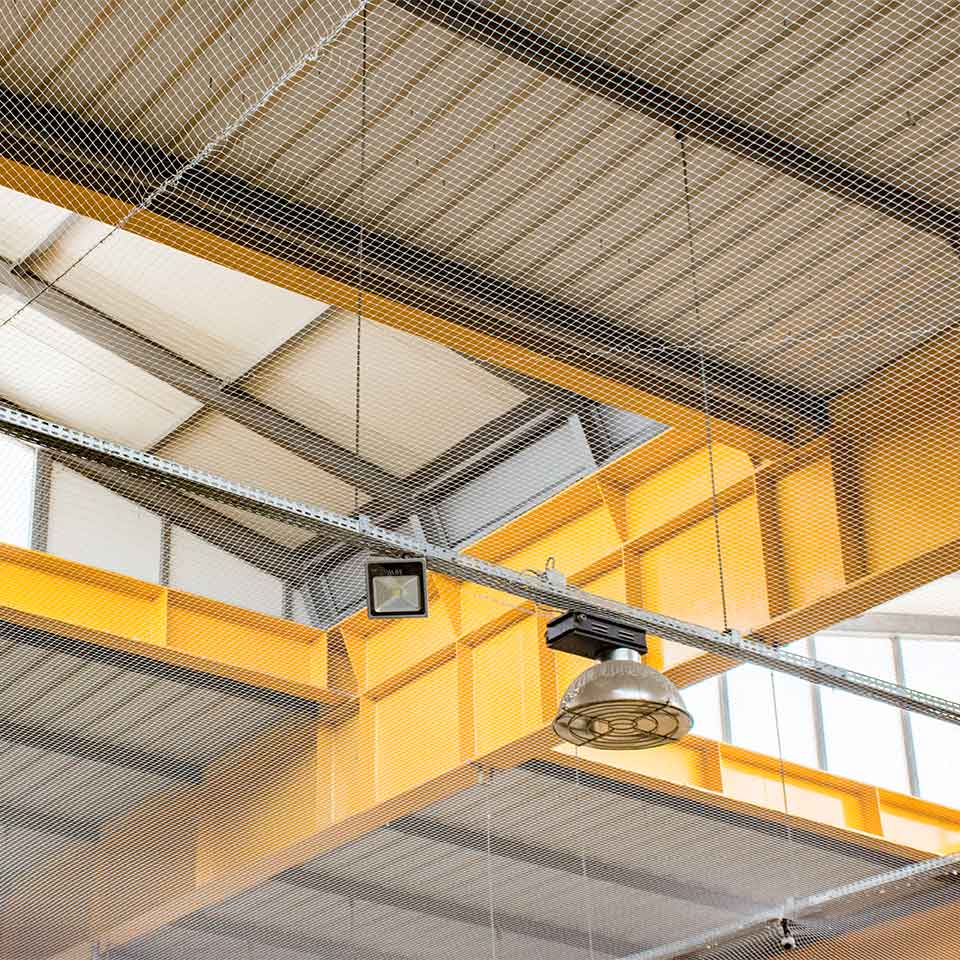
- Netting can be installed vertically to block access points or horizontally to protect surfaces.
- Secure fastening systems such as cables, anchors, and clips are used to prevent gaps.
- For large-scale or complex projects, professional installation is recommended to ensure long-term effectiveness and safety.
Maintenance & Longevity: How to Keep Your Netting Effective
Bird control netting requires minimal maintenance but regular inspections are advised:
- Check for tears, loose fixings, or UV damage
- Ensure no access points are created over time
- Promptly repair any damaged sections
With proper care, high-quality bird netting can remain effective for many years.
Why TSS Bird Control Netting Is Ideal for the Middle East Market
TSS Bird Control Netting is specifically designed to perform in harsh Middle Eastern climates:
- High UV resistance for extreme sunlight
- Durable materials suitable for heat, dust, and wind
- Customizable solutions tailored to regional building designs
- Humane and environmentally responsible bird control
These features make TSS pigeon netting and bird netting solutions a reliable choice for long-term protection.
Get Professional Bird Control Solutions Today
Looking for a reliable and humane Bird Control Netting solution?
Contact TSS today to get expert advice, customized pigeon bird netting systems, and professional installation support tailored to your project needs.
FAQ
Is bird control netting better than bird spikes for pigeons?
Yes, bird control netting is often more effective than bird spikes for pigeons because it completely blocks access to the area. While spikes only deter landing, pigeon netting prevents roosting and nesting entirely, making it a long-term and humane solution.
What mesh size is best for pigeon netting?
The best mesh size for pigeon netting is typically 50 mm (2 inches). This size effectively blocks pigeons while preventing birds from becoming trapped, ensuring safe and humane bird control in both residential and commercial applications.
Can birds get trapped in bird control netting?
When properly installed with the correct mesh size, bird control netting does not trap birds. High-quality bird netting is designed to act as a barrier, not a snare, making it one of the safest and most humane bird control solutions available.
How long does bird control netting last in hot climates?
UV-stabilized bird control netting made from HDPE or polyethylene can last 5 to 10 years or more in hot climates. Proper installation and periodic maintenance significantly extend its lifespan, even under intense sunlight.
Can bird netting be installed on balconies without drilling?
They can be installed on concrete or steel structures, including walls, ceilings, and ground surfaces, depending on the application.