
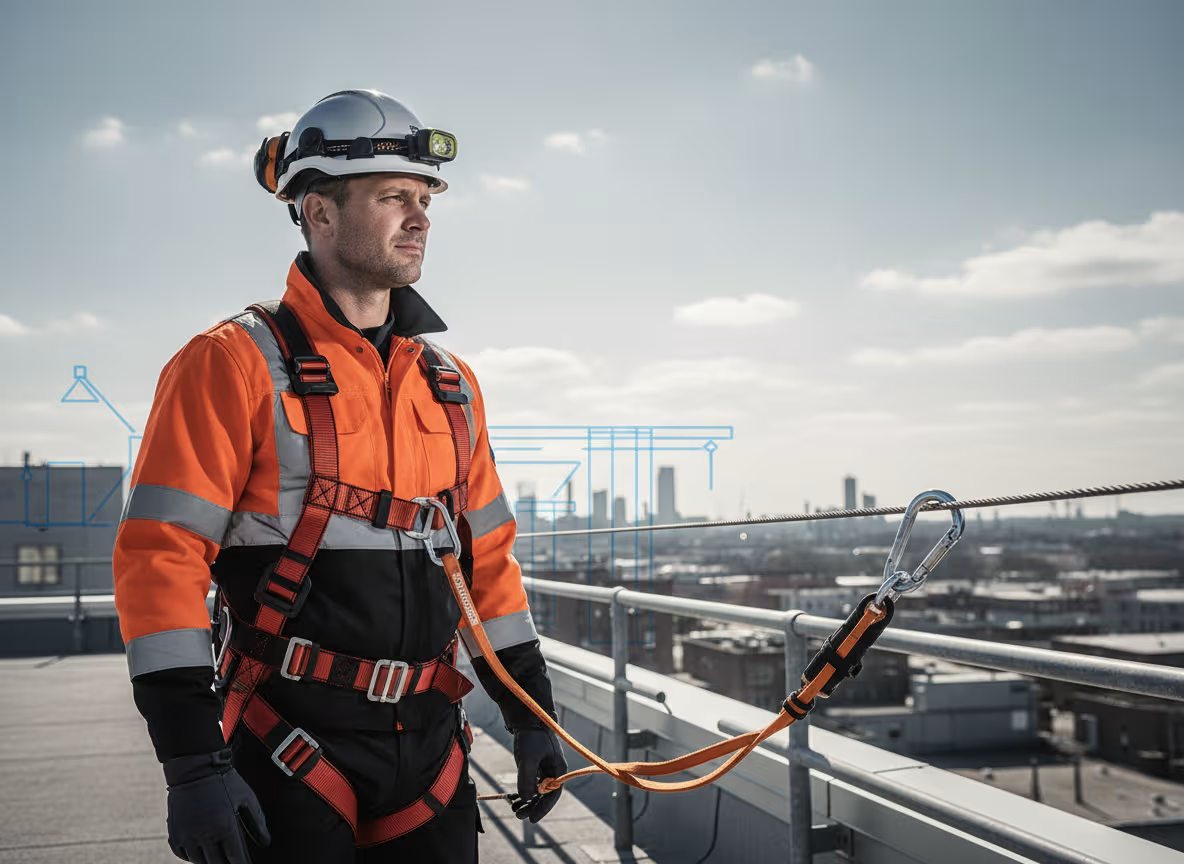
Falls from height remain one of the leading causes of serious workplace injuries and fatalities across construction, maintenance, and industrial sectors. To minimize these risks, the use of proper fall protection solutions supported by certified Personal Protective Equipment (PPE) is essential. This is especially critical in high-risk environments such as large-scale infrastructure and industrial projects in the Middle East.
This article explains the role of PPE in fall protection, outlines key safety systems, and highlights best practices aligned with Middle East fall safety systems regulations.
Importance of PPE in Fall Protection
Personal Protective Equipment plays a vital role in protecting workers when collective safety measures alone are not sufficient. PPE is designed to either prevent a fall or safely arrest it, significantly reducing the risk of severe injury.
In regions with strict safety compliance requirements, such as Middle East, employers are legally responsible for implementing reliable fall protection solutions and ensuring that workers are properly equipped and trained.
Overview of PPE in Working at Height Safety Systems
| PPE / Safety Element | Primary Function | Where It Is Commonly Used |
| Safety Harness | Distributes fall forces across the body | Construction sites, industrial maintenance |
| Lanyard with Shock Absorber | Reduces impact force during a fall | Working at height safety systems |
| Lifeline System | Provides continuous fall protection | Roof work, façades, towers |
| Anchor Points for Lifeline Systems | Secure attachment for fall arrest equipment | Structural steel, concrete surfaces |
| Edge Protection Construction | Prevents access to unprotected edges | High-rise construction projects |
Key Components of Personal Fall Protection Equipment
Personal Fall Arrest Device
A personal fall arrest device is designed to stop a worker safely after a fall has occurred. It typically includes a full-body harness, connectors, and an energy-absorbing component that limits the forces applied to the body during fall arrest.
These devices are critical in situations where workers are exposed to unprotected edges or elevated work areas.
Temporary Horizontal Lifeline Systems
A temporary horizontal lifeline provides continuous fall protection for workers who need to move along an elevated surface. These systems are commonly used on construction sites, bridges, and maintenance projects where flexibility and mobility are required.
Temporary lifelines are an essential part of modern fall protection solutions, allowing safe movement while maintaining constant connection to an anchorage system.
Fixed Lifeline Systems
A Fixed Lifeline is a permanent fall protection system installed on structures such as rooftops, towers, and industrial facilities. These systems are designed for long-term use and require minimal setup once installed.
Fixed lifelines are widely integrated into fall safety systems in the Middle East, offering reliable protection for routine access and maintenance tasks at height.
Types of Fall Protection Systems
Understanding the Types of Fall Protection Systems is crucial for selecting the right safety solution for each work environment. These systems generally include:
- Fall arrest systems to stop a fall in progress
- Fall restraint systems to prevent access to hazardous edges
- Work positioning systems for hands-free tasks at height
- Lifeline systems, both temporary and permanent
Each system must be carefully selected based on risk assessment, working height, and site-specific conditions.
Training, Inspection, and Compliance
Even the most advanced PPE is ineffective without proper training and regular inspection. Workers must be trained to correctly use fall protection equipment, recognize hazards, and understand system limitations.
Routine inspection of PPE and lifeline systems is mandatory to ensure compliance with safety regulations and to maintain the effectiveness of fall protection solutions throughout the project lifecycle.
Conclusion
Personal Protective Equipment is a fundamental element of effective fall protection solutions. From personal fall arrest devices to temporary horizontal lifelines and Fixed Lifeline systems, PPE works alongside engineered controls to protect workers operating at height.For projects operating under fall safety systems Middle East, implementing compliant PPE, conducting regular inspections, and providing proper training are essential steps toward reducing fall-related incidents and ensuring a safe working environment
1. What is the role of personal protective equipment in fall protection solutions?
Personal protective equipment plays a critical role in fall protection solutions by preventing falls or safely arresting a fall, reducing the risk of serious injuries when working at height.
2. What is a personal fall arrest device used for?
A personal fall arrest device is used to stop a worker safely after a fall has occurred, limiting impact forces on the body and preventing contact with lower levels.
3. When should a temporary horizontal lifeline be used?
A temporary horizontal lifeline should be used when workers need safe mobility along elevated surfaces for short-term or changing work locations, such as construction or maintenance tasks.
4. What is the difference between temporary and fixed lifeline systems?
Temporary lifeline systems are designed for short-term use and flexibility, while a Fixed Lifeline is permanently installed for ongoing access and routine work at height.
5. Why are fall safety systems important in Middle East projects?
Fall safety systems are important in Middle East projects because they ensure compliance with local safety regulations, reduce workplace accidents, and protect workers in high-risk environments.