

Roof work is one of the most hazardous activities in construction, maintenance, and facility management. Falls from roofs remain a major cause of serious injuries, making the correct use of Personal Protective Equipment (PPE) essential. When combined with properly designed roof safety systems, PPE plays a critical role in reducing fall risks and ensuring compliance with safety requirements, particularly for working at height projects.
This article explains how PPE supports roof safety systems, highlights common protection solutions, and outlines best practices for safe roof access and movement.
The Role of PPE in Roof Safety
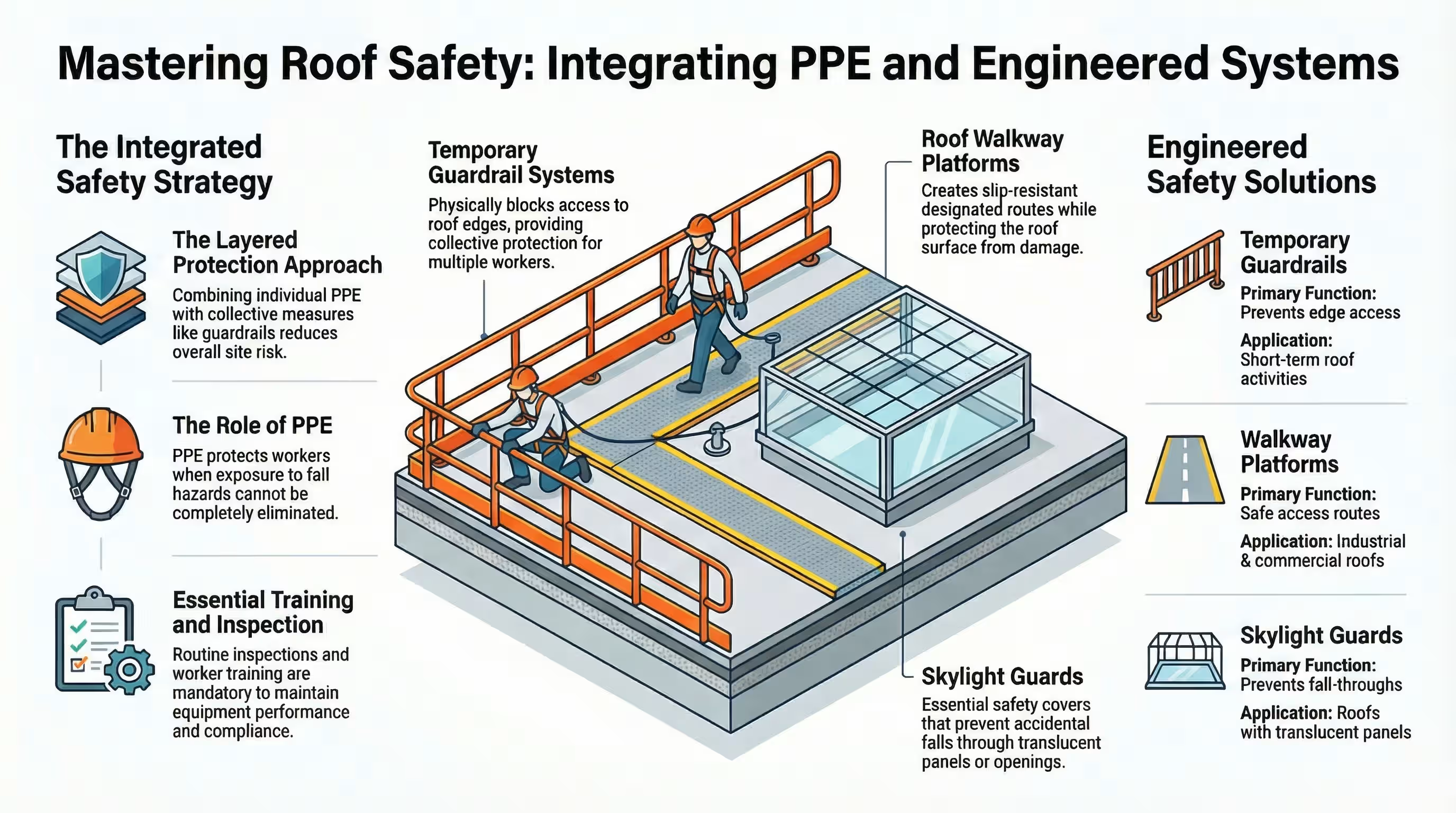
Personal Protective Equipment is designed to protect workers when exposure to fall hazards cannot be completely eliminated. On roofs, PPE works alongside collective protection measures to prevent falls, reduce injury severity, and support safe working conditions.
In regions with strict safety expectations such as Dubai, employers must implement effective roof safety systems and ensure workers are trained and properly equipped for working at height.
Key PPE and Roof Safety Elements
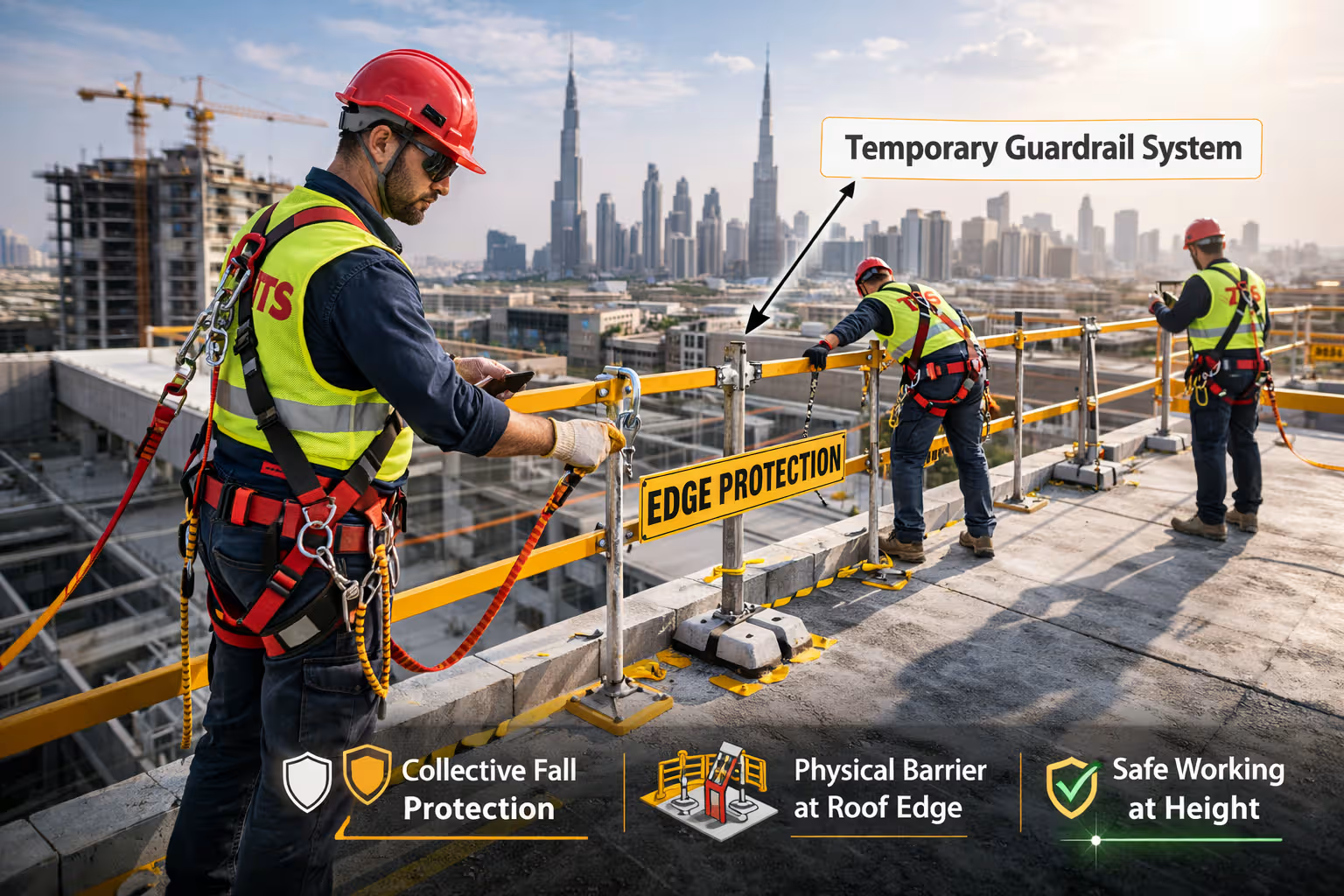
Temporary Guardrail System
A temporary guardrail system provides collective fall protection by physically blocking access to roof edges. These systems are commonly used during construction or short-term maintenance work and reduce reliance on individual PPE alone.
Temporary guardrails are especially effective on flat roofs and large working areas where multiple workers are present.
Roof Walkway Platforms
Roof walkway platforms create designated safe access routes across roof surfaces. They protect workers from slipping hazards and help prevent damage to roof materials while ensuring safe movement between work zones.
These platforms are widely used on industrial and commercial roofs where regular access is required.
Skylight Guards
Unprotected skylights present a significant fall-through hazard. Skylight guards are installed over skylights to prevent accidental falls while allowing natural light to pass through.
They are a critical safety solution for roofs with translucent panels or roof openings.
Safety Walkway Mat
A safety walkway mat provides slip-resistant footing on roof surfaces, particularly in areas exposed to moisture, dust, or temperature changes. These mats improve traction and reduce the risk of slips and trips during roof access and inspection.
PPE and Roof Safety Systems
| Safety Element | Primary Function | Application on Roofs |
| Personal Protective Equipment (PPE) | Protects individual workers | Working near edges or hazards |
| Temporary Guardrail System | Prevents access to roof edges | Short-term roof activities |
| Roof Walkway Platforms | Creates safe access routes | Industrial and commercial roofs |
| Skylight Guards | Prevents falls through skylights | Roofs with translucent panels |
| Safety Walkway Mat | Improves slip resistance | Access paths and inspection areas |
Integrating PPE with Roof Safety Systems
The most effective roof safety strategy combines PPE with engineered roof safety systems. While PPE protects individual workers, collective measures such as guardrails, walkways, and skylight protection reduce overall site risk.
For working at height, this layered approach aligns with best safety practices and supports regulatory compliance across construction and facility maintenance projects.
Training, Inspection, and Compliance
Even the best safety equipment is ineffective without proper use. Workers must receive training on how PPE interacts with roof safety systems, including correct access routes and hazard awareness.
Routine inspection of PPE, guardrails, walkways, and skylight protection is essential to maintain safety performance and ensure continued compliance.
Conclusion
Personal Protective Equipment is a vital component of effective roof safety systems. From temporary guardrail systems and roof walkway platforms to skylight guards and safety walkway mats, each solution plays a role in reducing fall risks and improving roof safety.
For projects involving working at height, combining PPE with well-designed roof safety systems helps protect workers, reduce incidents, and create safer working environments.
1. What is the role of PPE in roof safety systems?
PPE supports roof safety systems by protecting individual workers from fall risks, especially when collective protection alone cannot eliminate hazards during roof work.
2. Why are roof safety systems important for working at height in Dubai?
Roof safety systems are important for working at height in Dubai because they reduce fall risks, support regulatory compliance, and protect workers in high-risk construction and maintenance environments.
3. When should a temporary guardrail system be used on roofs?
A temporary guardrail system should be used during short-term construction or maintenance work to prevent access to roof edges and provide collective fall protection.
4. How do skylight guards improve roof safety?
Skylight guards improve roof safety by preventing workers from falling through fragile skylights while still allowing light penetration.
5. What is the purpose of roof walkway platforms and safety mats?
Roof walkway platforms and safety walkway mats provide safe access routes, reduce slip hazards, and protect both workers and roof surfaces during regular access and inspections.