

Selecting the correct Personal Protective Equipment (PPE) is critical when working with vertical and horizontal fall arrest systems. In high-risk working-at-height environments, PPE must be fully compatible with the Alsipercha Fall Arrest System to ensure effective fall prevention and controlled fall arrest.
This article explains how to choose the right PPE, the role of a personal fall arrest device, and how different fall arrest system configurations influence PPE selection.
Why PPE Compatibility Matters in Fall Arrest Systems
PPE is designed to protect workers by either preventing a fall or safely arresting one. However, PPE cannot function independently. Its performance depends on correct integration with the fall arrest system in use.
Incompatibility between PPE and fall arrest systems can result in:
- Excessive fall forces
- Improper system activation
- Increased injury risk
Choosing PPE that aligns with system design, anchorage location, and movement patterns is essential.
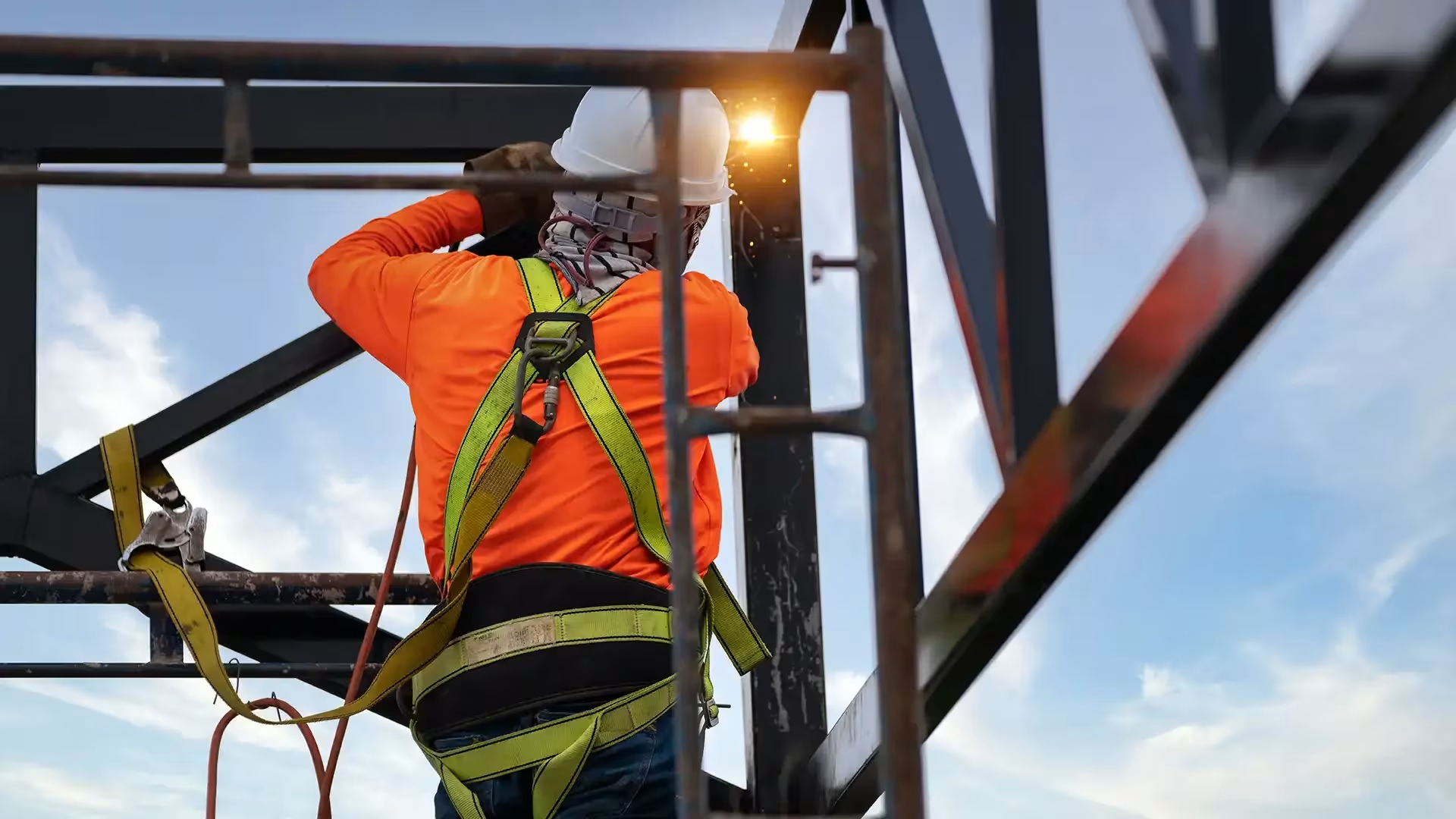
Core PPE Requirements for Fall Arrest Systems
Personal Fall Arrest Device
A personal fall arrest device is a key PPE component that stops a worker safely after a fall. It typically includes:
- A full-body harness
- Connectors and energy absorbers
- A guided or retractable arrest mechanism
The device must be selected based on fall distance, system orientation, and the type of structure being accessed.
Personal Fall Protection Selection Based on Fall Arrest System
| Fall Arrest System Type | PPE Requirement | Key Safety Consideration |
| Rail Fall Arrest System | Full-body harness with guided attachment | Smooth guided movement and immediate fall arrest |
| Wall Bracket Fall Arrest System | Harness with frontal or sternal attachment | Ergonomic vertical movement |
| Tripod Fall Protection System | Harness with rescue-compatible device | Controlled ascent, descent, and rescue |
| Column Clamps Fall Arrest System | Harness with flexible connectors and shock absorber | Reduced swing-fall risk |
| counterweight MF Fall Arrest System | Lightweight harness with energy absorber | System stability and controlled load transfer |
PPE Selection Based on Fall Arrest System Type
Rail Fall Arrest System
A Rail Fall Arrest System uses a rigid guide to control vertical or horizontal movement. PPE used with this system must allow smooth guided travel while ensuring immediate arrest in case of a fall.
Harness attachment points and connectors must be compatible with guided devices designed for rigid rails.
Wall Bracket Fall Arrest System
A Wall Bracket Fall Arrest System is commonly installed along vertical structures. PPE must support vertical movement while maintaining continuous connection.
Harnesses with frontal or sternal attachment points are often preferred to ensure ergonomic movement and effective fall arrest.
Tripod Fall Protection System
A Tripod Fall Protection System is typically used for confined space access and vertical entry. PPE must be selected to support both fall arrest and rescue operations.
In these environments, the personal fall arrest device must allow controlled ascent, descent, and emergency retrieval.
Column Clamps Fall Arrest System
A Column Clamps Fall Arrest System is used on structural columns where permanent anchorage is not available. PPE must account for lateral movement and variable anchorage positions.
Correct connector length and energy absorption are essential to limit swing-fall risks.
Counterweight MF Fall Arrest System
An counterweight MF Fall Arrest System provides fall protection without structural penetration. PPE selection must consider system stability and controlled load transfer.
Lightweight harnesses with effective energy absorbers help optimize system performance and user safety.
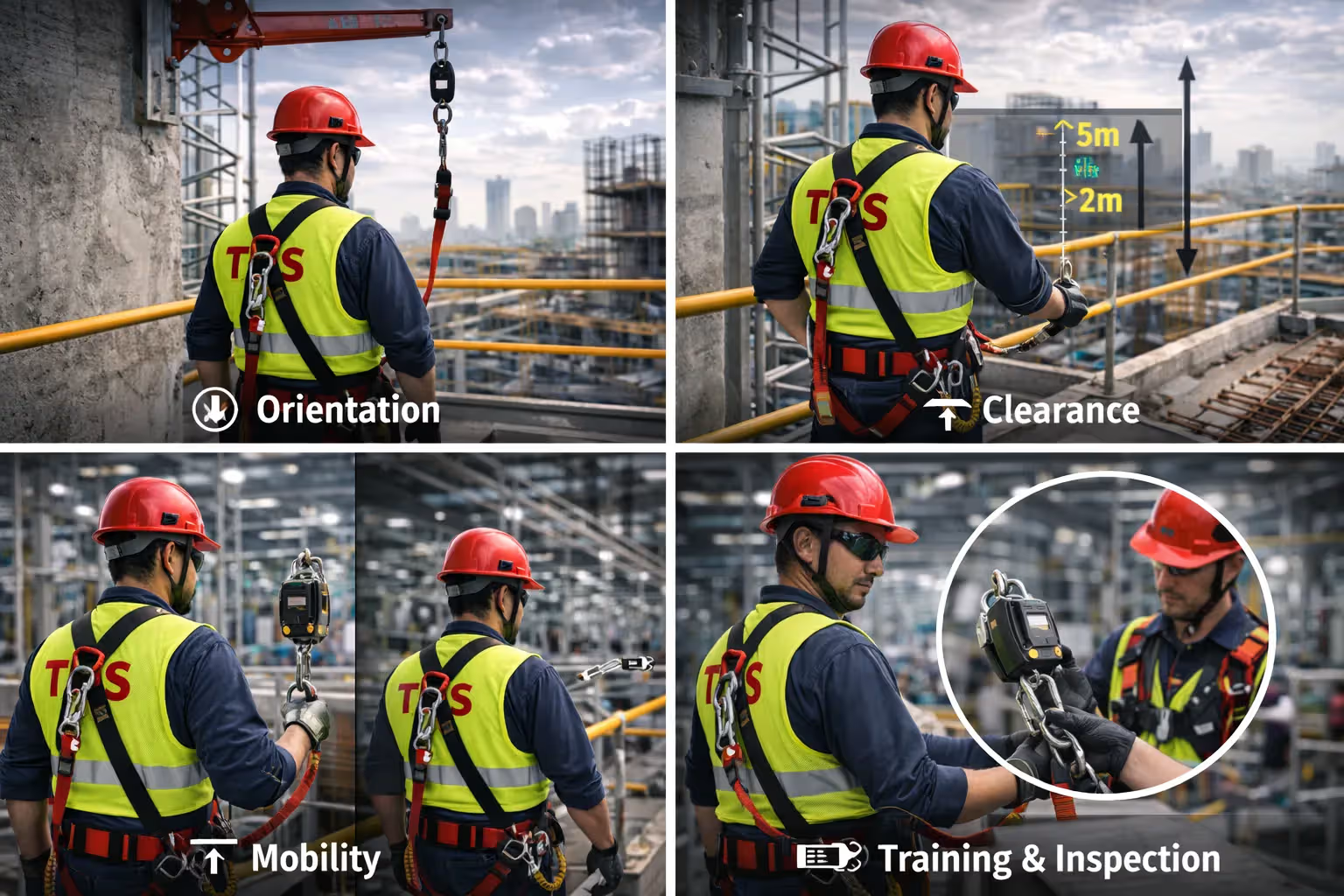
Key Factors When Choosing PPE
When selecting PPE for fall arrest systems, consider:
- System orientation (vertical, horizontal, overhead)
- Maximum fall distance and clearance
- User mobility requirements
- Rescue and evacuation needs
Each factor influences harness design, connector type, and energy absorption requirements.
Training, Inspection, and Safe Use
Even the best PPE is ineffective without proper training. Workers must understand:
- How PPE interacts with fall arrest systems
- Correct attachment and movement techniques
- System limitations and rescue procedures
Routine inspection of PPE and fall arrest components is essential to maintain safety and compliance.
Conclusion
Choosing the right PPE for the Alsipercha Fall Arrest System is essential for effective working-at-height safety. From selecting the correct personal fall arrest device to ensuring compatibility with systems such as RAIL Fall Arrest System, Wall Bracket Fall Arrest System, and MF COUNTERWEIGHT Fall Arrest System, PPE must be carefully matched to system design and site conditions.
A well-integrated PPE and fall arrest system not only reduces fall risks but also improves worker confidence, compliance, and overall site safety.
1. Why is PPE selection important for fall arrest systems?
Correct PPE selection is important because PPE must be fully compatible with the fall arrest system to safely arrest a fall and reduce impact forces on the worker’s body.
2. What is a personal fall arrest device used for?
A personal fall arrest device is used to stop a worker safely after a fall occurs by limiting fall distance and absorbing energy to reduce injury risk.
3. Does PPE change based on the type of fall arrest system?
Yes, PPE requirements vary depending on whether the system is vertical, horizontal, rigid, or mobile, as each configuration affects movement, attachment points, and fall clearance.
4. When should a tripod fall protection system be used?
A tripod fall protection system should be used for vertical access and confined space entry where controlled descent, ascent, and rescue capability are required.
5. Why is training important when using PPE with fall arrest systems?
Training is essential because incorrect attachment or misuse of PPE can reduce system effectiveness and increase the risk of serious injury during a fall.